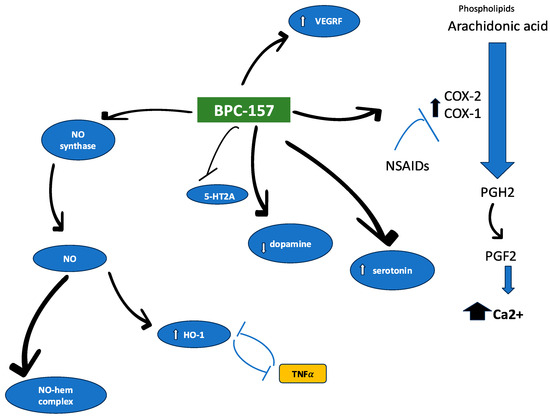
bpc 157 scar tissue Multifunctionality and Possible Medical Application of the Peptide—Literature and Patent Review BPC-157 Delayed | Muscle, Joint,
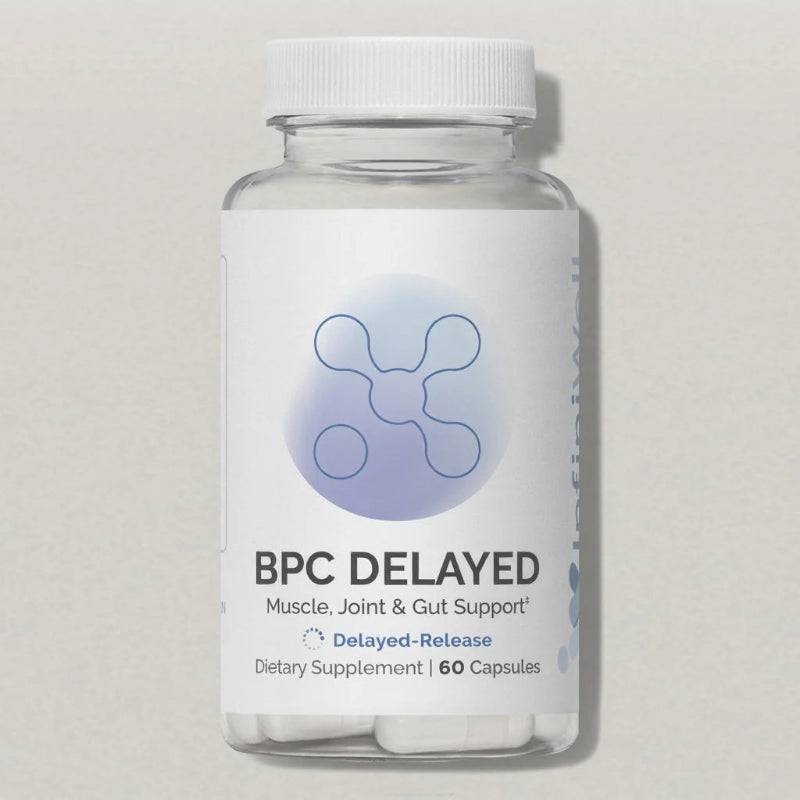
Description
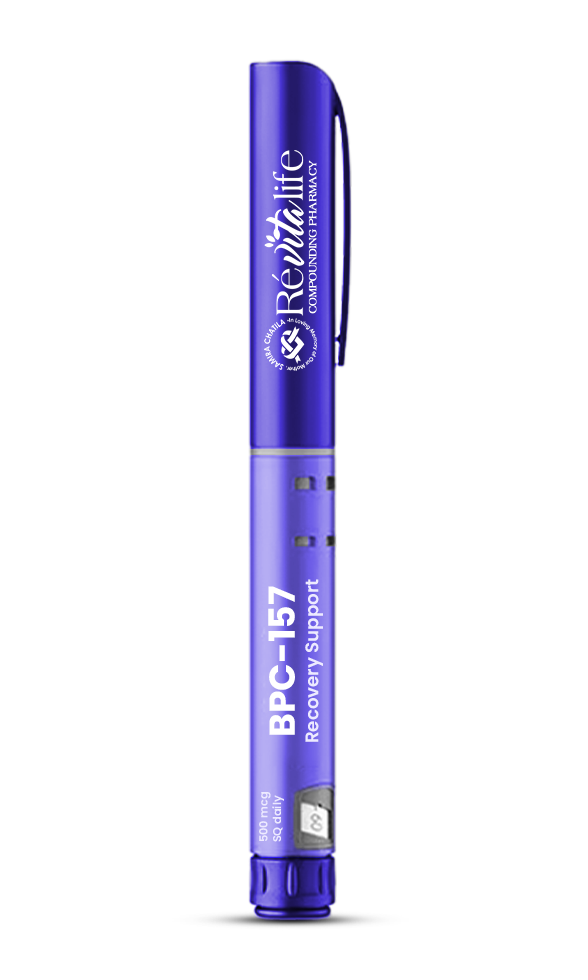
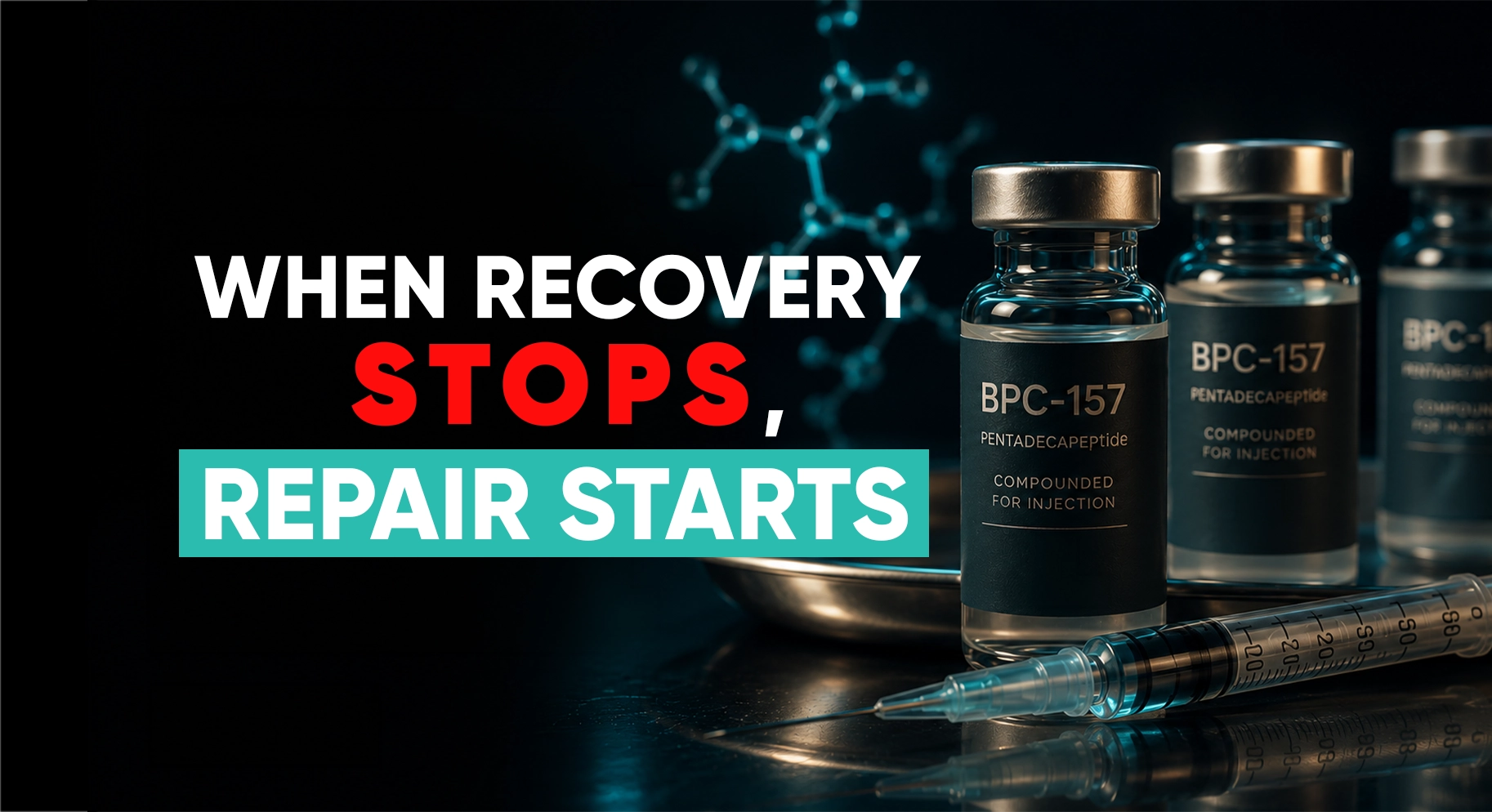
The most commonly used BPC 157 dosage falls between 200500 mcg per day
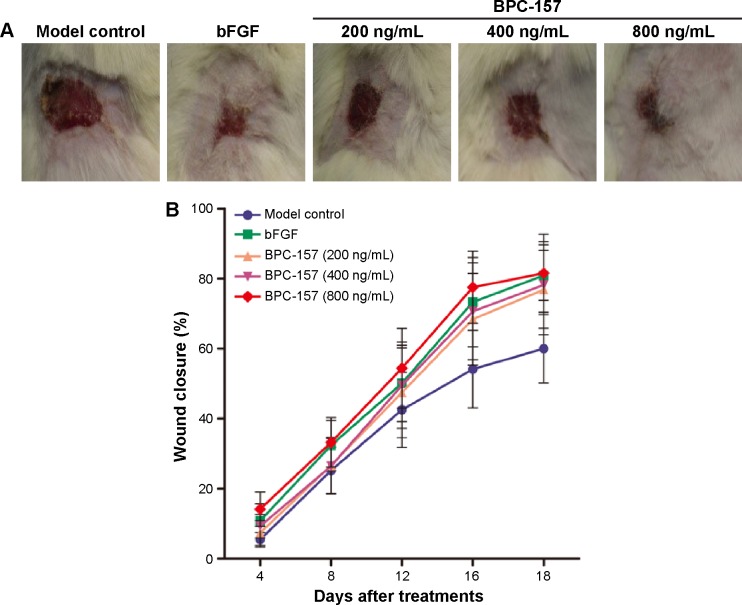
Research indicates it can: Increase collagen production in damaged tissues Improve tendon-to-bone healing Enhance muscle fiber regeneration Reduce recovery time from sprains, strains, and tears Digestive System Repair Perhaps its most well-documented benefit is gut healing, with potential applications for: Inflammatory bowel conditions like Crohns disease and ulcerative colitis Leaky gut syndrome Gastric ulcers Acid reflux and GERD General gut inflammation Neuroprotective Effects Emerging research suggests BPC-157 may offer protection for the nervous system by: Promoting nerve regeneration after injury Potentially improving cognitive function Showing promise for conditions involving nerve damage Anti-Inflammatory Properties BPC-157 helps modulate the bodys inflammatory response, making it valuable for both acute injuries and chronic inflammatory conditions
It may help support growth, reproduction, immune defence and energy metabolism in your cattle
B12 from a normal diet containing meat, fish, eggs, dairy or fortified foods is not usually the issue: it is very difficult to consume too much B12 from food alone

Peptide-specific mixing considerations While the basic reconstitution process is universal, certain peptides have quirks that require special attention
Prior to being diagnosed Roops was also spending a lot of time in the bathtub


