


BPC-157 – Research Peptide
US$ 24.50

The anti-estrogenic compounds mentioned in the WADA list can be divided into two groups: SERMs (bazedoxifene, clomiphene, cyclofenil, ospemifene, raloxifene, tamoxifen, and toremifene) and selective estrogen receptor degraders (SERDs), of which fulvestrant is a representative

crosses cell membranes readily Metabolism: Hepatic metabolism Elimination: Renal excretion Half-Life: Approximately 4-6 hours (estimated) Quality Specifications Testing Standards: HPLC purity verification Mass spectrometry confirmation Endotoxin testing Heavy metal screening Microbial contamination testing Certificate of Analysis (COA): Batch-specific purity data Identity confirmation Contaminant screening results Storage and handling recommendations Reconstitution Specifications Recommended Diluent: Bacteriostatic Water (0.9% benzyl alcohol) Standard Concentration: 100mg/ml (2ml Bacteriostatic Water per 200mg vial) Alternative Concentrations: 50mg/ml or 200mg/ml based on preference Reconstitution Time: 2-3 minutes with gentle swirling Solution Appearance: Clear, colorless solution pH Range: 5.0-7.0 (physiologically compatible) Administration Specifications Injection Type: Subcutaneous Needle Gauge: 29-31 gauge Needle Length: 12.7mm (1/2 inch) Injection Volume: 0.5-1.0ml per dose Injection Sites: Abdomen, thighs, upper arms Injection Frequency: Once daily (standard protocol) Storage Specifications Unreconstituted Storage: Temperature: 20-25C (68-77F) room temperature Light: Protect from direct light Humidity: Store in dry environment Duration: 2-3 years Reconstituted Storage: Temperature: 2-8C (36-46F) refrigerated Light: Protect from light (amber vial or original packaging) Duration: 30 days maximum Freezing: Do not freeze Safety and Handling Personal Protective Equipment: Gloves recommended during reconstitution Standard laboratory safety practices Proper sharps disposal procedures Disposal: Dispose of needles in approved sharps container Discard expired or contaminated product appropriately Follow local regulations for pharmaceutical waste Research Applications Primary Research Areas: Obesity and metabolic syndrome Type 2 diabetes and insulin resistance Cellular aging and longevity Mitochondrial function and energy metabolism NAD+ biology and supplementation Preclinical Models: Diet-induced obesity models Metabolic dysfunction studies Aging research Cellular metabolism investigations RELATED PRODUCTS AND COMPLEMENTARY THERAPIES Synergistic Peptides and Compounds NAD+ Precursors: Nicotinamide Mononucleotide (NMN) Nicotinamide Riboside (NR) May enhance 5-amino-1MQ effects through complementary NAD+ support GLP-1 Agonists: Semaglutide Tirzepatide Complementary appetite control with metabolic enhancement Ipamorelin CJC-1295 Support muscle preservation and metabolic function Metformin Berberine Enhance insulin sensitivity and glucose metabolism Complementary Supplements Essential Supplements: Omega-3 fatty acids (EPA/DHA) Vitamin D3 Magnesium Multivitamin/mineral complex Performance Supplements: Creatine monohydrate Beta-alanine L-carnitine Coenzyme Q10 Recovery Supplements: Branched-chain amino acids (BCAAs) Glutamine Collagen peptides Electrolyte formulations Lifestyle Optimization Strategies Nutrition Protocols: High-protein diet (0.8-1.0g per pound body weight) Moderate caloric deficit for fat loss Intermittent fasting protocols Whole food, minimally processed diet Exercise Programs: Resistance training (3-4x per week) Cardiovascular exercise (2-3x per week) High-intensity interval training (HIIT) Active recovery and mobility work Recovery Optimization: Sleep optimization (7-9 hours nightly) Stress management techniques Cold therapy and heat therapy Massage and bodywork Medical Monitoring and Testing Recommended Baseline Testing: Complete metabolic panel Lipid panel Fasting glucose and insulin Hemoglobin A1C Thyroid function tests Body composition analysis Progress Monitoring: Monthly body composition assessments Quarterly metabolic panel updates Regular blood pressure monitoring Waist circumference measurements Progress photos and measurements COMPLIANCE AND LEGAL INFORMATION Regulatory Status 5-Amino-1MQ is not approved by the FDA for any medical use and is sold as a research compound only
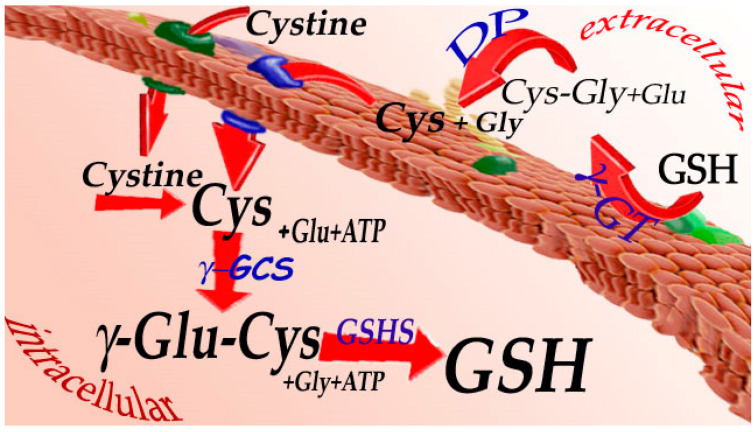
Chemical Name : (2S) -2- Amino-4-[1- (carboxymethyl) carbamoyl-(2R)-2-sulfanylethylcarbamoyl] butanoic acid
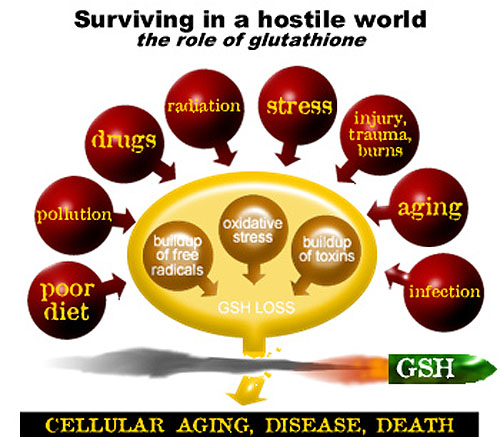
Your GP may arrange periodic blood tests to ensure B12 levels remain adequate, though clinical response is generally more important than specific blood values once treatment is established

doi: 10.1007/s40272-020-00404-4

10.1016/j.neuro.2018.02.001 Neurotoxicology 29 DringenR

US$ 24.50
US$ 28.77
US$ 21.13
US$ 21.47
US$ 24.38
US$ 27.34
US$ 28.05
US$ 26.63
US$ 27.16
US$ 21.22
US$ 27.89