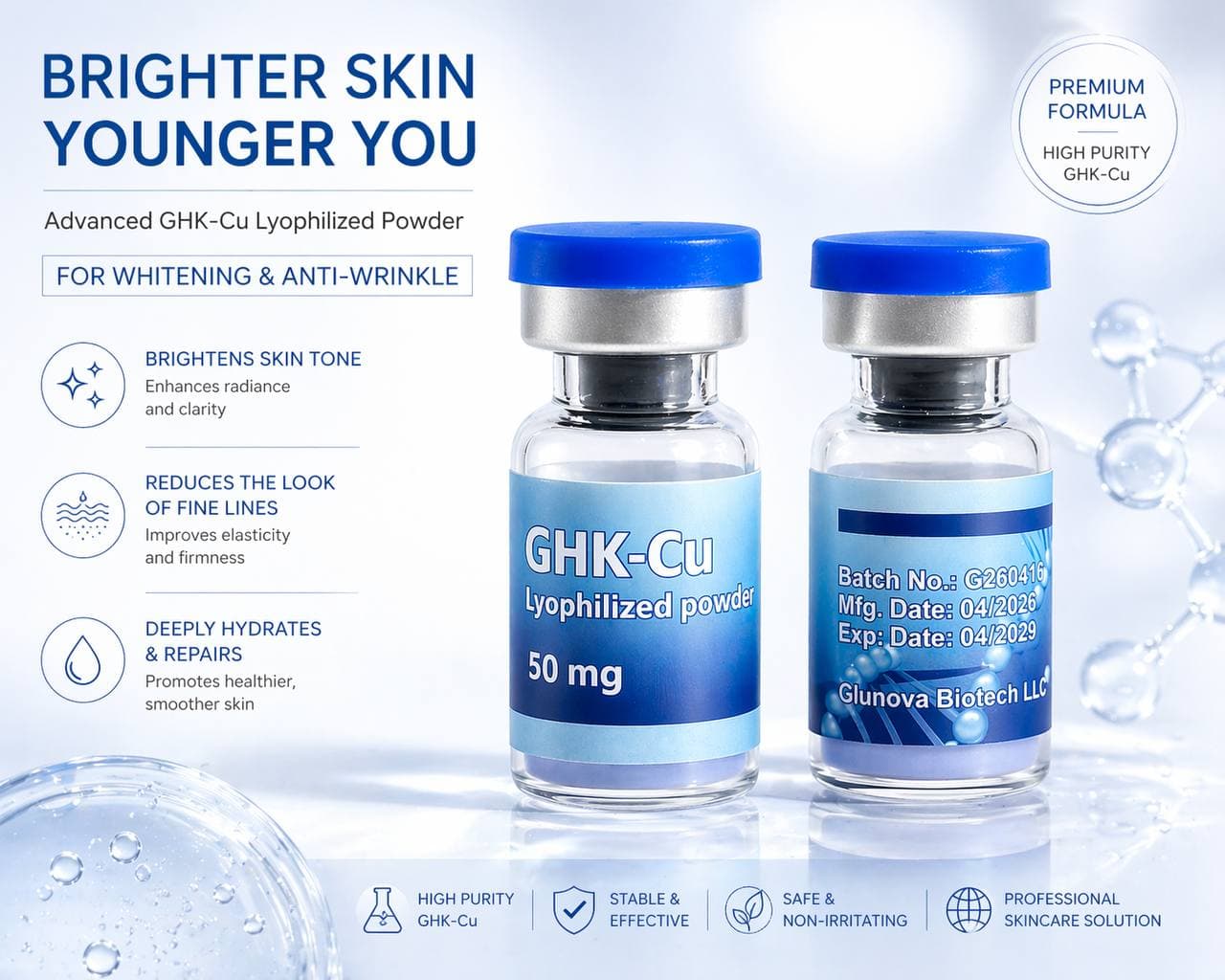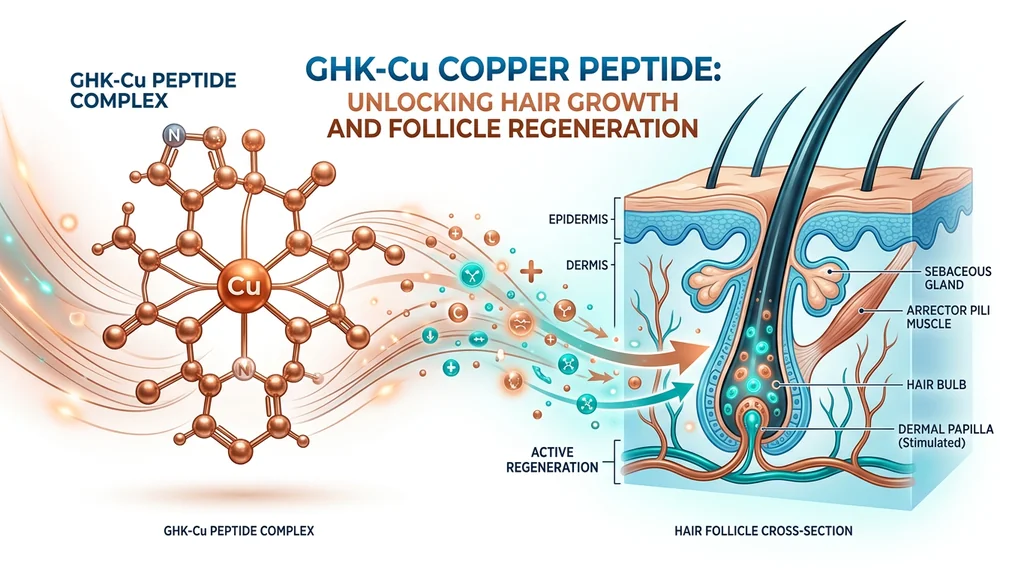
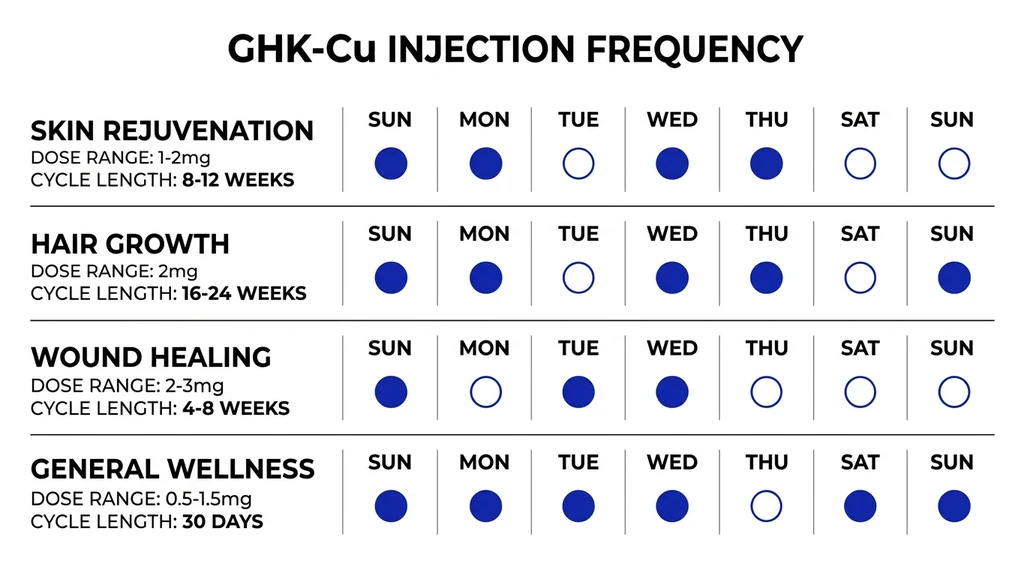
ghk-cu effect on growth hormone for Hair Growth: Protocols How Often to Inject GHK-Cu
Description
By selectively interfering with the FOXO4-p53 interaction, FOXO4-DRI has become a compound of interest in research models focused on senescent cell biology and age-associated cellular processes
Learn how to reconstitute BPC-157 with precision

BPC-157 is a stable gastric pentadecapeptide originally derived from human gastric juice, TB-500 is a synthetic peptide modeled after thymosin beta-4, and GHK-Cu is a naturally occurring copper-binding tripeptide found in human plasma, saliva, and urine

Each batch undergoes endotoxin testing as part of standard quality control procedures to minimize potential interference in sensitive biochemical assays, receptor-binding studies, and in-vitro or ex-vivo research models

Made with high-quality vegetarian ingredients backed by verifiable science
It modifies the peptide Fragment 176-191f the growth hormone hGH by adding a tyrosine residue to the N-terminus