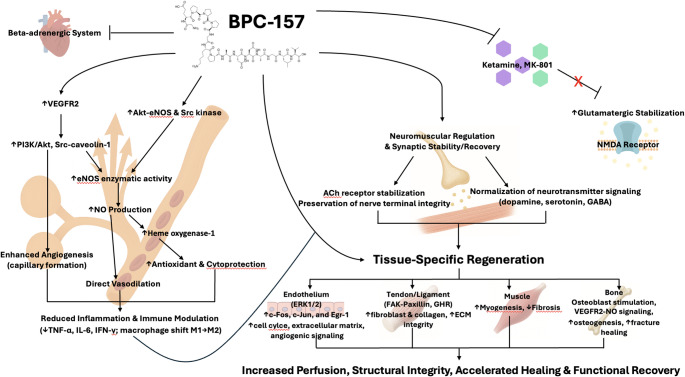
bpc 157 safety adverse events human Regeneration or Risk? A Narrative Review of BPC-157 for Musculoskeletal Healing BPC 157 Side Effects: What
Description
These effects are thought to arise because GHK-Cu reactivates youthful gene expression patterns in skin cells

NSF Certification tested for over 272 athletic banned substances and compliant with the Good Manufacturing Practice (GMP) requirements

These faulty genes may encourage the growth of bone spurs in the spinal vertebrae and facet joints, thickening of a spinal ligament, and degradation of the spines intervertebral disks
Sensory Symptoms Numbness, tingling, or pins and needles (paresthesia) typically distal/stocking-glove in polyneuropathy Burning pain, allodynia, hyperalgesia common in small-fiber predominant neuropathy and CIDP Loss of proprioception and vibration sense sensory ataxia, positive Romberg sign Loss of pain/temperature sensation (small fiber) risk of unnoticed wounds Motor Symptoms Distal muscle weakness (foot drop in peroneal neuropathy, wrist drop in radial neuropathy) Atrophy of intrinsic hand muscles (ulnar/median neuropathy) Hyporeflexia or areflexia (ankle jerks lost early in length-dependent polyneuropathy) Fasciculations in severe axonal loss Autonomic Symptoms Orthostatic hypotension, dizziness on standing Gastroparesis, constipation or diarrhea, nausea Neurogenic bladder (hesitancy, retention, incontinence) Anhidrosis or gustatory sweating Sexual dysfunction

Proper handling during storage helps reduce degradation processes such as hydrolysis, oxidation, and peptide aggregation that may affect experimental consistency

Zero human trials