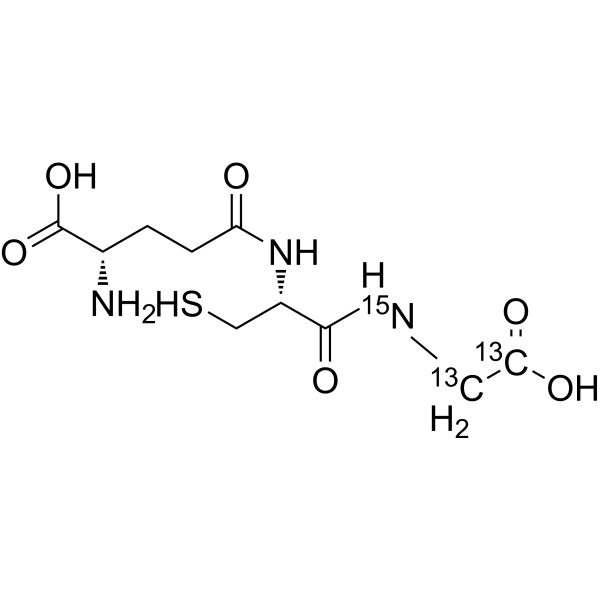
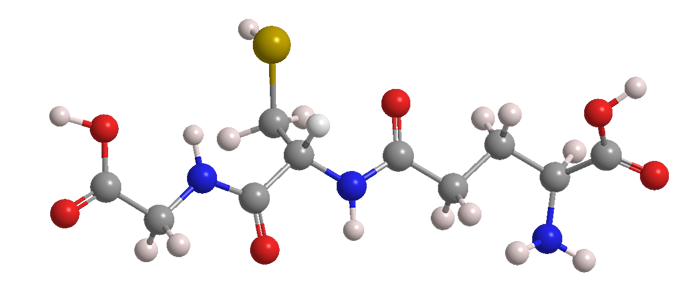
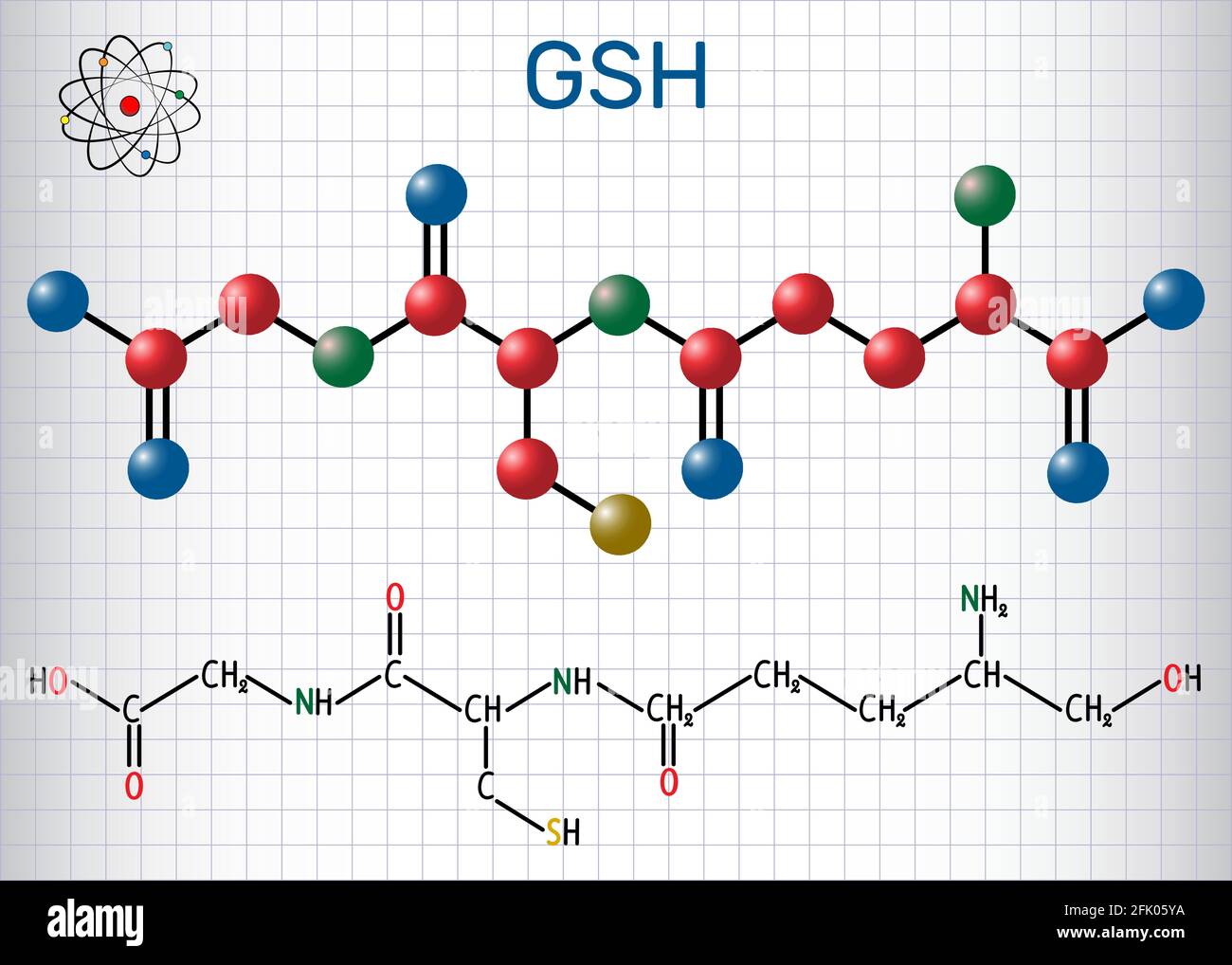
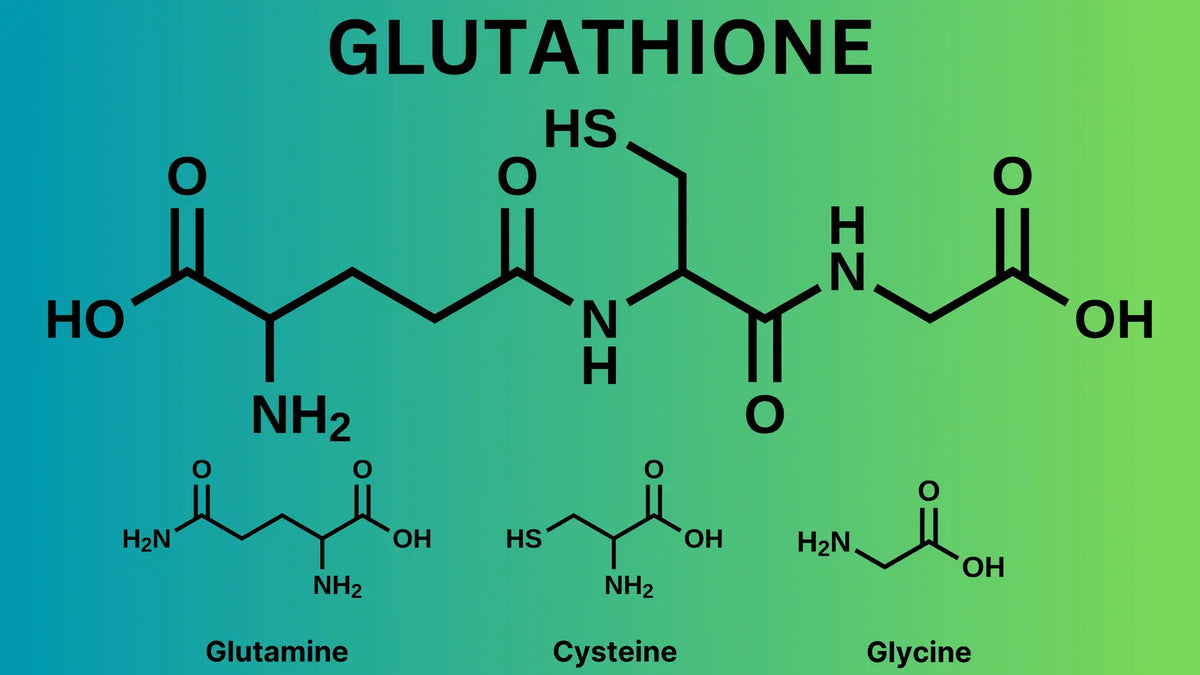
glutathione chemical facts Gsh C10h17n3o6s Molecule Important Antioxidant Stock Vector (Royalty Free) 1685365147 Glutathione - American Chemical Society
Description
Meanwhile, Glutathione helps reduce oxidative stress, which helps to protect and preserve NAD+
Trypsin was neutralized with 500 l complete medium, the cells were resuspended and 100 l of the suspension was mixed with 6.9 ml Beckman Coulter Isoton II diluent (Fisher Scientific, NC2470899) for counting with a Beckman Coulter Z1 Coulter Cell Particle counter

Exome sequencing of neonatal blood spots and the identification of genes implicated in bronchopulmonary dysplasia
Without enough myelin, thinking and memory can slow down
Therapeutic Uses: AIDS (sometimes used) Aging Disorders Alcoholism Alzheimers Disease Angina Antidepressant Antioxidant Atherosclerosis Athletic Performance Autism Brain Functioning Cancer Depression Diabetes mellitus Digestive Disorders Epilepsy Eye Health Maintenance Fatigue Folic Acid Deficiency Free Radical Related Diseases General Debility Heart Health Maintenance Immune System Impotence Liver Health Maintenance Low Stomach Acid Macular Degeneration Memory Mental Functioning Mental Retardation Muscle Weakness Muscular Dystrophy Myocardial Infarction Neurological Disorders Parkinsons Disease Physical Performance Protein Catabolism Respiratory Insufficiency Schizophrenia Senility Stomach Acid Deficiency Stress Ulcers Overview: Glutamic acid is one of the 20 amino acids commonly found in proteins the bodys building blocks of cells, enzymes, hormones and immune components
It is believed to engage with various cellular signaling routes to manifest its actions