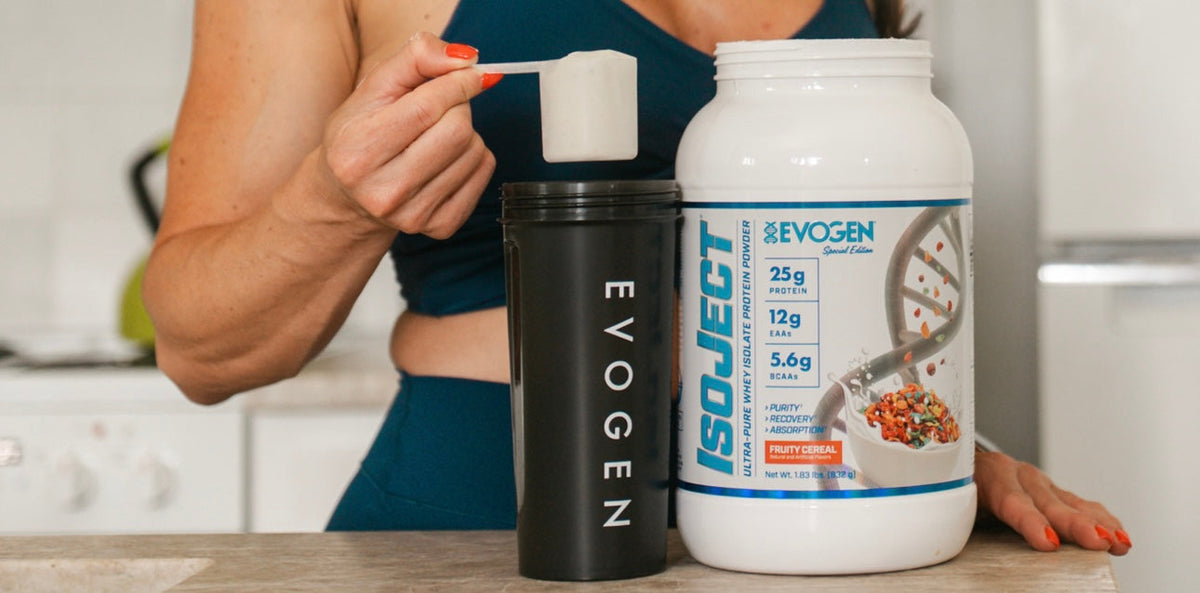
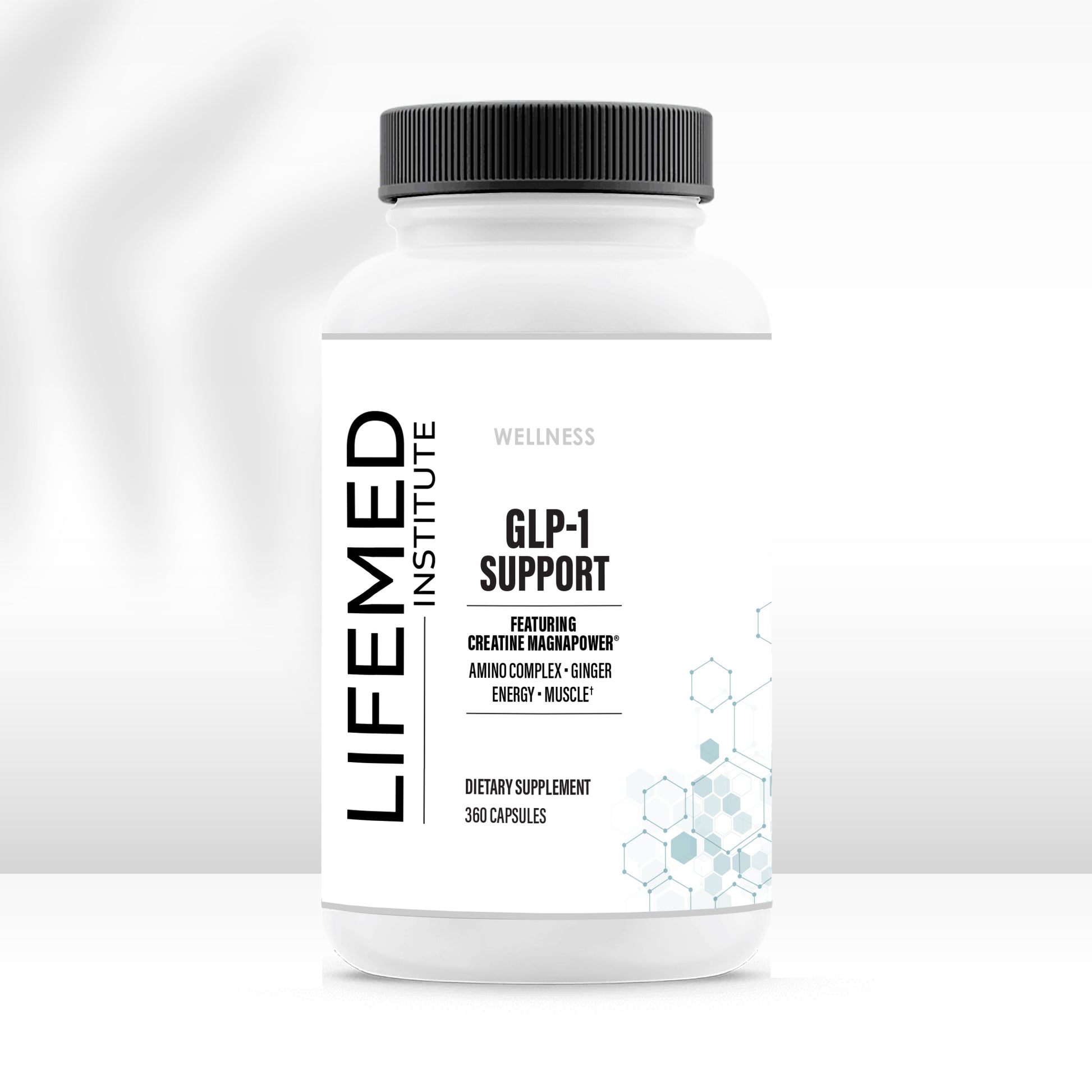
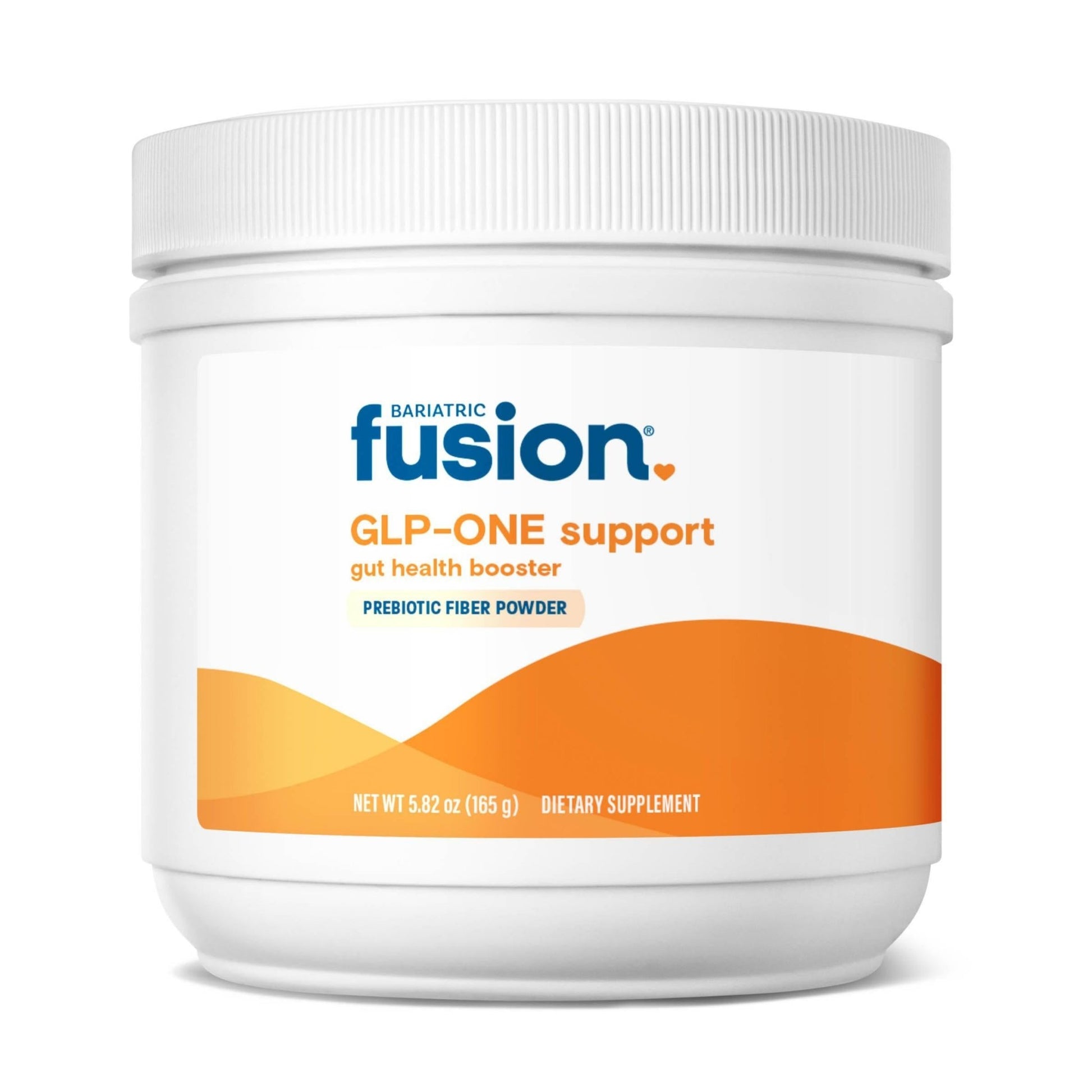
best protein supplement for glp 1 Powder GLP-1 Users This unique formula activates GLP GLP-1 Support – Amino Complex,
Description
My mood felt more stable overall
If youre considering GLP-1 medical weight loss programs using injections in Olney, MD, understanding the criteria helps you determine if this approach fits your situation

This can increase the severity of SA through alterations upper airway inflammation and neuromuscular function, arousal mechanisms, and sleep architecture [53]

Lowering your total body weight before surgery makes the operative procedure substantially safer and reduces the risk of complications
Brello Health Pros and Cons Pros Brello may be appealing because it offers: Low advertised GLP-1 pricing Women-focused branding Compounded semaglutide and compounded tirzepatide options, if approved App-based tracking Injection reminders and medication history Refill and shipment tracking Community support Virtual fitness and nutrition classes Medication and supplies included if approved A potentially simple online experience Cons Brello may not be the best fit for everyone because: The billing rhythm needs close attention The advertised monthly price may not match the effective calendar-month estimate Menopause-specific support is not clearly the core public positioning Reviews show some customer service and communication complaints BBB shows complaint and rating concerns Compounded GLP-1 medications are not FDA-approved It may not offer the high-touch clinical support some women want Who Brello Health May Be Best For Brello may be a better fit for women who: Want lower advertised GLP-1 pricing Are comfortable with compounded medication if prescribed Prefer a mostly online experience Like app-based progress tracking Want community and class-style support Do not need heavy one-on-one coaching Are comfortable reading the billing and refill details carefully Want a women-focused brand, but do not necessarily need menopause-specific care Who Should Compare Other GLP-1 Providers First

Semaglutide typically starts at 0.25 mg weekly, increasing to 0.5 mg, then 1.0 mg, and potentially up to 2.4 mg depending on response and tolerance


