
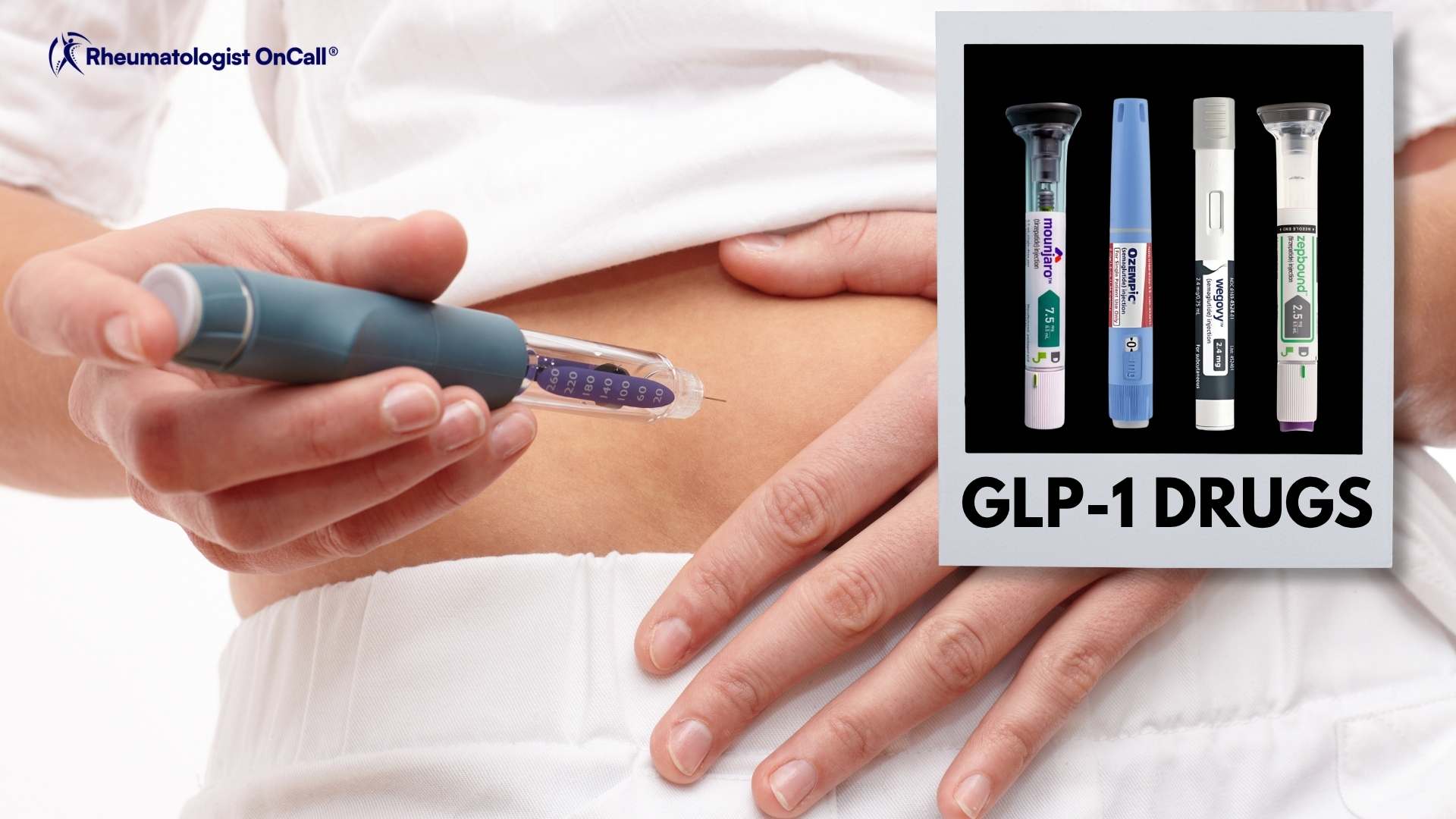
glp 1 ankylosing spondylitis GLP-1 medications are being explored as an alternative for people living with autoimmune conditions like rheumatoid arthritis and spondylitis. Beyond their role in weight and blood sugar management, they may help glp 1 ankylosing spondylitis GLP-1
Description
Findings apply only to the FDA-approved medication studied

Lower cost: Smaller doses may mean lower cost
Obesity, Weight Gain, and the Risk of Kidney Stones

Understanding site differences and rotating strategically helps maintain consistent drug delivery, keeping your GLP-1 working as intended
Expert consensus suggests considering pharmacotherapy when there is: Significant weight regain from nadir weight BMI 27 kg/m with obesity-related comorbidities or BMI 30 kg/m Absence of anatomical complications requiring surgical revision Adequate adherence to nutritional and behavioral recommendations Patient willingness to engage in long-term pharmacotherapy The American Association of Clinical Endocrinologists (AACE) and American College of Endocrinology (ACE) guidelines emphasize that pharmacologic therapy should complement, not replace, lifestyle interventions and ongoing bariatric surgical follow-up

This suggests that while GLP-1RAs may not outperform metformin in managing hormone levels, they are still beneficial in populations not already treated with metformin 23,24,25,26


